Expert College Chemistry Tutoring: Overcome Challenges and Succeed
Expert college chemistry tutoring serves a crucial function in helping students work through the complexities of the subject. Many face challenges that can impede their academic performance. Tailored tutoring delivers targeted support, addressing particular gaps in understanding. This can bring about improved comprehension and problem-solving abilities. However, the journey to mastering chemistry requires more than just academic support. Examining the various aspects of effective tutoring can uncover deeper insights into student success.
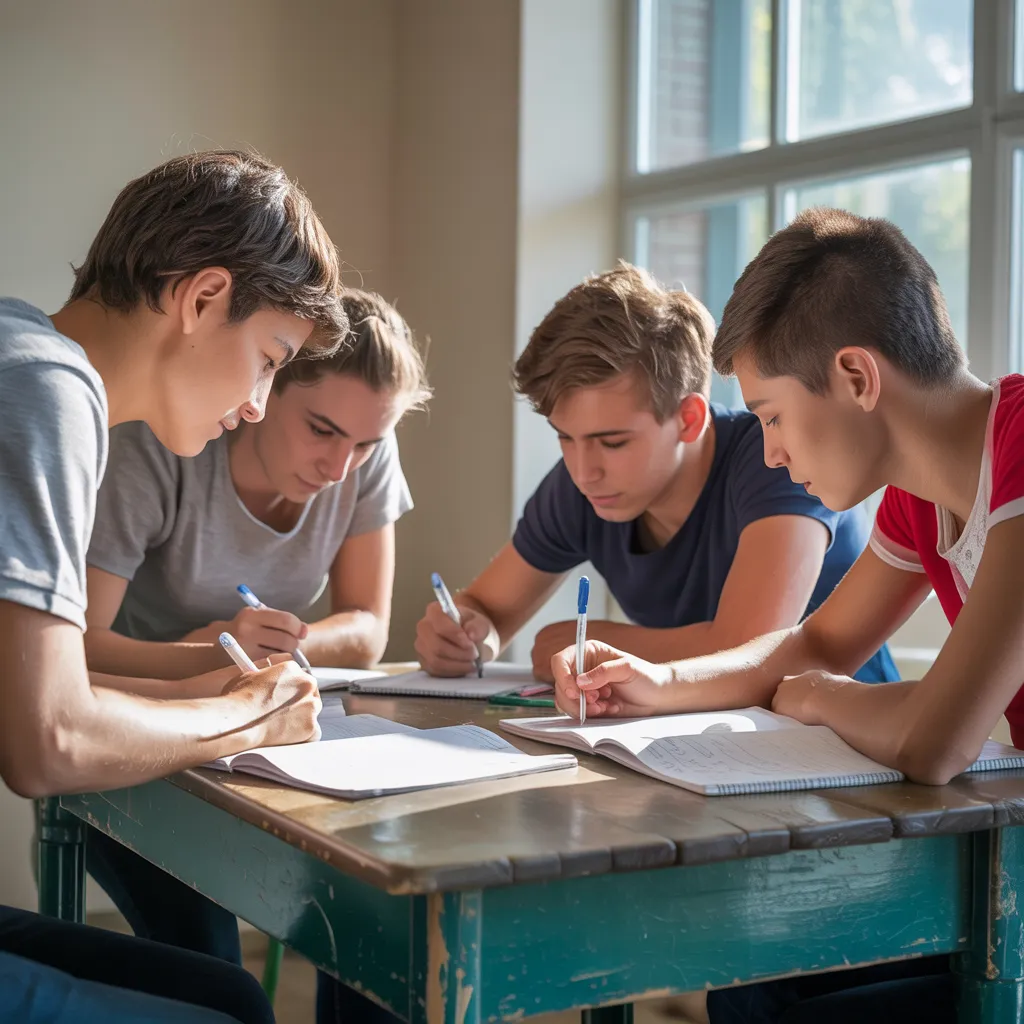
Understanding the Importance of Chemistry Tutoring
Even though many students enter college with a basic understanding of chemistry, they commonly face significant challenges as coursework becomes more complex. This complexity can result in confusion and frustration, making it crucial for students to seek additional support. Chemistry tutoring plays a essential role in bridging gaps in understanding and strengthening foundational concepts. Tutors provide personalized attention, permitting students to ask questions and discuss topics in depth, which boosts comprehension.
In addition, tutoring sessions frequently focus on hands-on practice, enabling students tie theoretical knowledge to real-world scenarios. This connection encourages a deeper appreciation for the subject and motivates learners to engage actively with the material. Moreover, tutors can deliver strategies for effective study habits and problem-solving skills, equipping students with the tools required for success. In the end, chemistry tutoring serves as an invaluable resource, enabling students to navigate the challenges of their coursework and achieve their academic objectives.
Identifying Standard Obstacles in College Chemistry
Numerous students encounter a range of hurdles in college chemistry that can limit their academic performance. One significant obstacle is the demanding nature of chemical concepts, such as stoichiometry, thermodynamics, and molecular structures, which often necessitate a strong understanding of mathematics and critical thinking. Furthermore, the fast pace of coursework can swamp students, making it hard to keep up with lectures and assignments. Laboratory work also presents issues, as students must apply theoretical knowledge in practical settings, which can generate confusion and frustration. Additionally, the abstract nature of chemical reactions can make it difficult for students to envision processes, impacting their understanding. Ultimately, many students experience problems with time management, juggling chemistry with other demanding subjects and extracurricular activities. Identifying these typical problems is crucial for students striving to increase their performance and realize success in college chemistry.

Advantages of Individualized Tutoring Methods
Customized tutoring techniques provide substantial benefits for students wrestling with the intricacies of college chemistry. These methods tailor instruction to meet individual learning styles, making certain that students comprehend challenging concepts at their own pace. By focusing on specific areas of difficulty, tutors can deliver targeted support, enhancing comprehension and retention of material. This personalized attention fosters a supportive learning environment, enhancing students' confidence and motivation.
Moreover, personalized tutoring allows for flexible scheduling, fitting into students' busy lives and allowing for consistent progress. Tutors can adjust their techniques according to ongoing assessments, making certain that each session remains pertinent and effective. Furthermore, one-on-one interactions encourage open communication, allowing students to articulate their concerns and ask questions freely. As students receive instant feedback, they can rectify misunderstandings quickly, further strengthening their knowledge base. All in all, personalized tutoring approaches substantially elevate the learning experience, creating a path to academic success in college chemistry.
Creating Effective Study Habits and Strategies
Effective study habits and techniques are vital for mastering the complicated concepts of college chemistry, as they allow students to engage with the material in a meaningful way. To attain academic success, students should develop a consistent study schedule that allocates designated time blocks for reviewing lecture notes, reading textbooks, and practicing problem sets. Active learning techniques, such as summarizing information in their own copyright or teaching concepts to peers, can boost comprehension and retention.
Leveraging resources like flashcards for vocabulary and key concepts, together with engaging with online simulations or videos, can further reinforce understanding. In addition, breaking down complex topics into smaller, manageable sections can prevent overwhelming feelings and promote a sense of achievement. Regular self-assessment through quizzes and practice exams helps students to identify knowledge gaps and adjust their study plans accordingly. Eventually, these strategies foster a disciplined approach to learning chemistry, paving the way for academic success.
Developing Self-Confidence By means of Private Support
College chemistry one-on-one tutoring provides individualized learning techniques that meet individual student needs. This customized assistance fosters an environment where clear dialogue can flourish, allowing students to share their questions and concerns freely. Such interactions not only improve understanding but also significantly boost student confidence in their abilities.
Personalized Teaching Techniques
Even though numerous students have difficulty with the intricacies of college chemistry, individualized learning approaches can greatly improve their comprehension and confidence. Tailored tutoring centers around individual learning styles, allowing students to grasp difficult concepts at their own pace. By analyzing a student's distinct strengths and weaknesses, tutors can design individualized lesson plans that concentrate on specific areas of difficulty. This not only fosters a deeper comprehension of the material but also establishes a sense of ownership over the learning process. Individual support empowers students to ask questions without hesitation, thereby resolving misconceptions without the pressure of a classroom environment. Finally, tailored approaches develop resilience and a proactive attitude towards challenges, empowering students to thrive in their chemistry studies.
Cultivating Honest Communication
How does open communication reshape a student's learning experience in college chemistry? Open communication creates a supportive environment where students feel safe expressing their doubts and questions. This dialogue allows tutors to identify individual challenges and address them appropriately, tailoring their teaching methods to meet specific needs. When students share their thoughts and concerns, they strengthen confidence and engage more meaningfully with the material. One-on-one interactions also create a safe space for constructive feedback, empowering students to refine their understanding without fear of judgment. Ultimately, this collaborative approach not only strengthens comprehension of complex concepts but also encourages a growth mindset, empowering students to tackle difficult subjects with determination and determination.
Improving Analytical Skills in Chemistry
Enhancing problem-solving skills in chemistry calls for a focus on cultivating analytical thinking and engaging with real-world situations. Students derive value from structured practice that challenges their understanding and application of chemical ideas. This approach not only hones their reasoning skills but also prepares them for practical cases they may meet in their studies and future careers.
Enhancing Critical Thinking
Critical analysis constitutes the backbone of effective problem-solving in chemistry, allowing students to break down complex concepts and address challenging equations. This essential skill involves decomposing problems into digestible parts, enabling a structured approach to understanding and resolving issues. By refining analytical thinking, students can recognize patterns, evaluate data, and apply logical reasoning to various scenarios. This process fosters a deeper grasp of chemical principles, motivating students to question assumptions and explore alternative solutions. Additionally, developing analytical thinking not only assists with mastering chemistry but also develops skills transferable to other disciplines. As students engage with intricate problems, they build confidence and resilience, essential attributes for academic success and beyond.
Working With Authentic Problems
Real problem practice serves as a fundamental aspect of enhancing problem-solving competencies in chemistry. Interacting with genuine situations permits students to utilize theoretical concepts in applied settings, deepening their mastery of key concepts. By tackling a variety of problems, pupils can discern recurring themes, develop strategies, and enhance their analytical abilities. This experiential technique nurtures critical analysis, as students must evaluate data, generate propositions, and arrive at findings supported see the details by observable proof. Furthermore, addressing actual applications strengthens retention and equips pupils for assessments and advanced material. Embedding assorted challenge sets, containing hands-on problems, fosters versatility and determination. As individuals acquire self-assurance in their problem-solving competence, they are well-positioned to manage intricate material and thrive in their chemistry coursework.
Developing a Enduring Interest in Chemistry Beyond the Classroom
Even though countless students see chemistry as a sequence of formulas and equations confined to the classroom, fostering a lasting interest in the subject necessitates a more interactive approach. To nurture curiosity, educators can tie chemistry concepts to real-world applications, showing how they influence everyday life. Excursions to laboratories, museums, or chemical plants can offer practical insights, creating the subject more tangible.
Including hands-on experiments and collaborative projects inspires students to discover chemistry past textbooks. Online resources, such as educational videos and interactive simulations, can additionally enhance interest by allowing students to visualize complicated processes.
Moreover, launching discussions about recent scientific progress and environmental issues can ignite passion for the subject. By stressing the relevance of chemistry in various careers and societal problems, educators can inspire students to pursue additional studies and exploration, securing their engagement with the subject extends well beyond the classroom.
Frequently Asked Questions
What Credentials Should I Look for in a Chemistry Tutor?
When searching for a chemistry tutor, you should focus on qualifications such as advanced degrees in chemistry, teaching experience, exceptional communication skills, and a demonstrated history of helping students accomplish their academic goals in the subject.
What Methods Can I Use to Track My Progress During Tutoring?
A log of topics covered, quiz results, and personal reflections can be maintained to track progress during tutoring sessions. Regularly reviewing this log helps identify strengths, weaknesses, and areas requiring further focus or improvement.
What Steps Should I Take if I Don't Understand a Topic?
If a learner doesn't comprehend a particular topic, they should ask their tutor for clarification, study pertinent materials, complete practice questions, or find extra learning tools. Maintaining determination in seeking guidance often brings about better knowledge retention and assurance.
How Often Should I Schedule Tutoring Sessions for Optimal Results?
Planning tutorial meetings once or twice per week usually delivers the best results. This schedule permits continuous concept strengthening while giving adequate time for practice and incorporating information into the student's study patterns.
Do Online Tutoring Sessions Match the Effectiveness of In-Person Sessions?
Web-based tutoring sessions can be as effective as physical sessions, on the condition that the technology operates smoothly and both teacher and student engage actively. Individual preferences and learning styles at the end of the day impact the effectiveness of each format.